Consumer drones have become strangely ordinary. You’ll see them over beaches at sunset, hovering above village fêtes, or tracking cyclists down country lanes for social clips that look far more polished than the effort behind them. That familiarity can make flying one feel low-stakes, somewhere between a kite and a phone camera. In reality, it’s flying equipment with a price tag, a rulebook and plenty that can go wrong in a moment.
What catches many new owners out is not the obvious risk of a crash, but everything that follows. A clipped branch, a sudden gust or a clumsy landing can damage the aircraft itself. It can also derail a job, spoil a planned shoot or spark an awkward dispute if someone else’s property is involved. Even hobby pilots who only fly at weekends can find that replacing a damaged drone is the least frustrating part of it.
That is why people often start searching for DJI drone insurance only after their first near miss. It’s rarely about paranoia. It’s about realising that a drone is both a gadget and an aircraft, and that can be an expensive mix. For anyone flying a popular DJI model, it makes sense to know what protection exists before you need it, not after a mishap has soured the whole hobby.
Before the next take-off
A sensible drone routine now involves more than charging batteries and checking the weather. It also means knowing your limits, your surroundings and the financial risk you take each time the propellers spin up.
- Check local restrictions before every flight.
- Inspect props, batteries and firmware regularly.
- Think about who or what is beneath your planned route.
Drones are brilliant when they work as intended. The problem is that one small mistake can turn a leisurely afternoon into a very costly lesson.
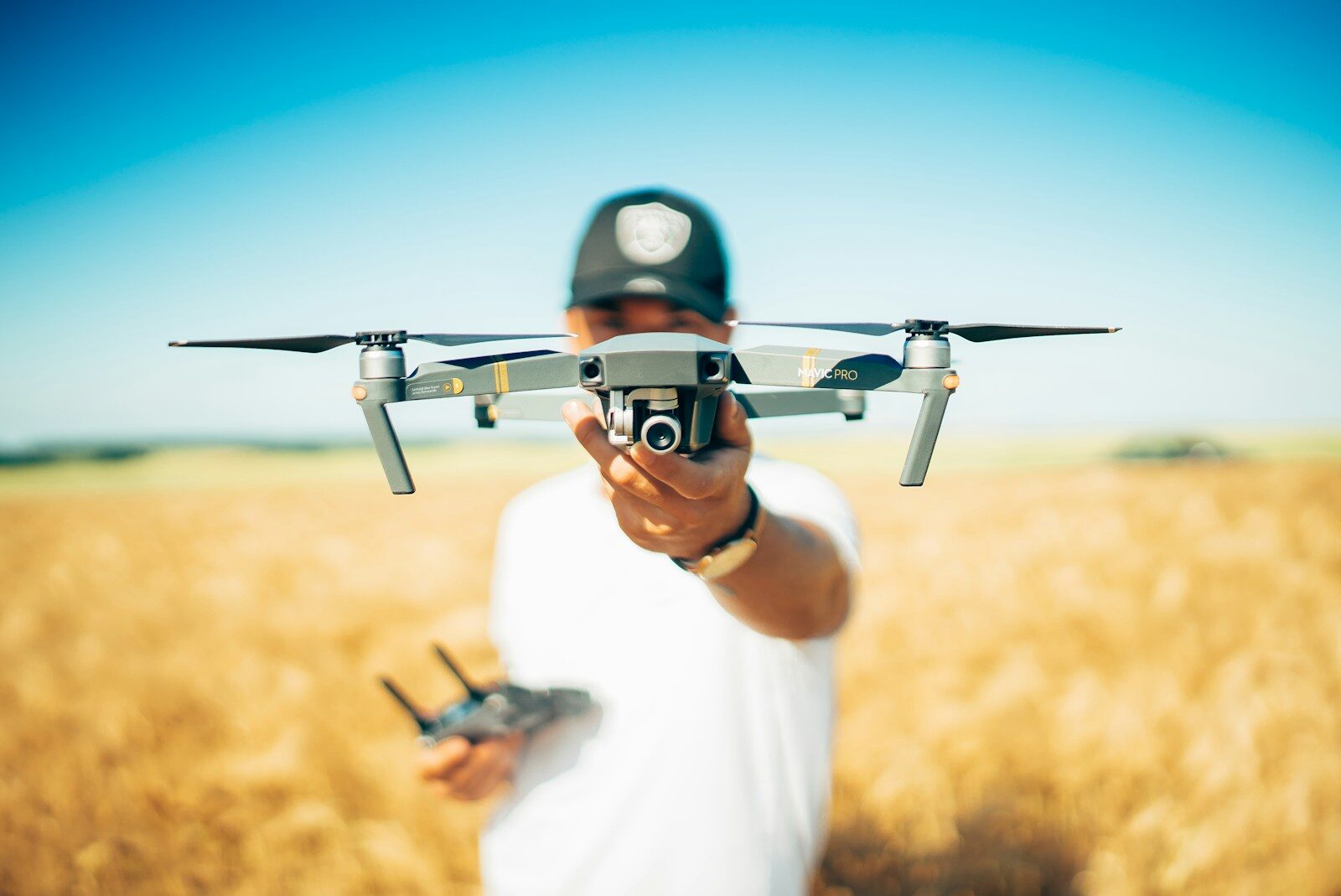
Photo by david henrichs.